The Blurred Lines of Medical Device Regulation: Navigating the Future of Wearable Technology
The Blurred Lines of Medical Device Regulation: Navigating the Future of Wearable Technology
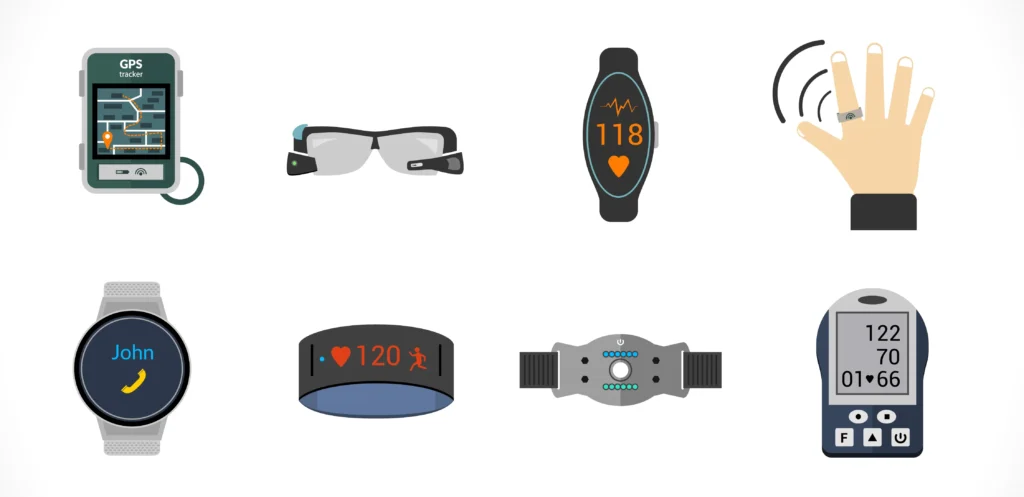
The rapid evolution of consumer devices has led to a significant overlap between medical devices and wearable technology, raising important questions about regulation and data usage. As devices like smartwatches and earbuds become increasingly sophisticated, the distinction between medical information and general wellness is becoming more crucial. The US FDA has recently updated its medical device rules to address these concerns.
Regulatory Updates and Distinctions
The 2026 update by the US FDA aims to clarify the differences between medical information and signals/patterns, acknowledging that non-calibrated fitness trackers and smartwatches can detect patterns and events that warrant further medical attention. This means that while these devices cannot provide medically valid information, they can still be used to identify potential health issues, such as arrhythmia or low blood oxygen saturation.
The Rise of General Wellness Devices
These consumer devices are now categorized as general wellness devices, and manufacturers must market them as such, avoiding embellished claims about their medical capabilities. This shift in classification has significant implications for how these devices are designed, marketed, and used, particularly in regards to data handling and privacy.
Data Handling and Privacy Concerns
The data generated by these devices, although not considered medical information, still provides valuable health insights that can be highly sought after by companies. However, the lack of strict regulations in the US market regarding data handling and privacy is a cause for concern, leaving consumers vulnerable to potential misuse of their personal data. In contrast, other countries have implemented stricter requirements to protect user data.
Implications and Future Directions
As wearable technology continues to advance, it is essential to address the privacy and regulatory gaps in the US market. The use of data from these devices in criminal investigations also raises important questions about warrant requirements and data protection. Ultimately, the future of wearable technology hinges on finding a balance between innovation and regulatory oversight, ensuring that these devices are both effective and safe for consumers.
In conclusion, the boundaries between medical devices and wearable technology are becoming increasingly blurred, and it is crucial to establish clear guidelines and regulations to protect consumers and promote responsible innovation. By acknowledging the complexities of data handling and privacy, we can work towards creating a framework that supports the development of safe and effective wearable technology, while also safeguarding user privacy and security.
Stay Updated with Latest Tech News
Get the latest technology articles and reviews delivered straight to your inbox.
Article published on Feb 17, 2026
Reading time: 3 minutes
Category: Tablets & Wearables
Author: Arslan